NW7 Carpet Cleaning Guide for Victorian Terrace Homes
Victorian terrace homes in NW7 have a charm that modern builds often miss: original features, narrow stairs, deep skirting boards, and carpets that have seen a few seasons of family life. That charm also creates a few cleaning headaches. Tight hallways, older underlay, draughty rooms, and carpets that trap dust in a way you only notice when the sunlight hits at 9 a.m. can make carpet care feel more complicated than it should be. This NW7 carpet cleaning guide for Victorian terrace homes brings the whole job into focus, from safe cleaning methods to drying time, stain treatment, and when it makes sense to call in help.
If you live in a period property, you already know the rule: do the job properly, or it will come back to bite you. Let's make it simpler.
Table of Contents
- Why it matters in Victorian terrace homes
- How the cleaning process works
- Key benefits and practical advantages
- Who needs this and when it makes sense
- Step-by-step guidance
- Expert tips for better results
- Common mistakes to avoid
- Tools, resources and recommendations
- Law, compliance, standards and best practice
- Options, methods and comparison
- Case study or real-world example
- Practical checklist
- Conclusion
- Frequently asked questions
Why NW7 Carpet Cleaning Guide for Victorian Terrace Homes Matters
Victorian terrace homes are not all the same, but they do tend to share a few quirks. Timber floors under carpets, old gripper rods, uneven subfloors, and air flow that is a bit, well, patchy. In NW7, where homes often mix period character with busy modern living, carpets take a fair amount of wear from foot traffic, pets, pushchairs, and the constant in-and-out of daily life.
What makes this guide especially relevant is the way older homes react to moisture and dirt. A carpet in a newer property may dry quickly and evenly. In a Victorian terrace, you can get hidden damp pockets, slower drying at the edges, and more delicate transitions between carpeted rooms and original flooring. If you clean without planning for that, you can end up with reappearing stains, odours, or a lingering clammy feel underfoot.
There is also the comfort factor. Period homes can feel colder in winter, and carpets often do a lot of the heavy lifting for warmth and acoustics. A clean carpet makes a room feel fresher straight away. You notice it when you open the front door, and there's none of that stale, slightly dusty smell that clings to older textiles. Nice, isn't it?
For homeowners comparing professional help and DIY options, it is also worth understanding the difference between deep cleaning, spot treatment, and ongoing maintenance. If you want broader support for fitted floor coverings, you may find the main carpet cleaning service page useful as a next step. For more stubborn marks, the dedicated stain removal service can also be relevant, especially when spills have had time to settle into the pile.
How NW7 Carpet Cleaning Guide for Victorian Terrace Homes Works
The basic idea is simple: remove embedded soil, lift fibres, reduce odour, and leave the carpet in a condition that is safe to walk on and ready to dry properly. The practical reality is a little more nuanced, especially in a Victorian terrace.
A good clean usually starts with inspection. You check the fibre type, the age of the carpet, the underlay, visible damage, and any obvious stain history. That matters because wool, synthetic blends, and delicate heritage-style carpets all respond differently to water, agitation, and cleaning solutions. If you rush this part, you are basically guessing. And guessing with carpet fibres is never a great hobby.
Then comes soil removal. Loose dirt and grit are lifted first because grit behaves like fine sandpaper underfoot. It wears fibres down over time and makes a carpet look tired long before it truly is. In terrace homes, you often find dirt tracked in from the pavement, garden, or hallway step, so edge zones and entrances need special attention.
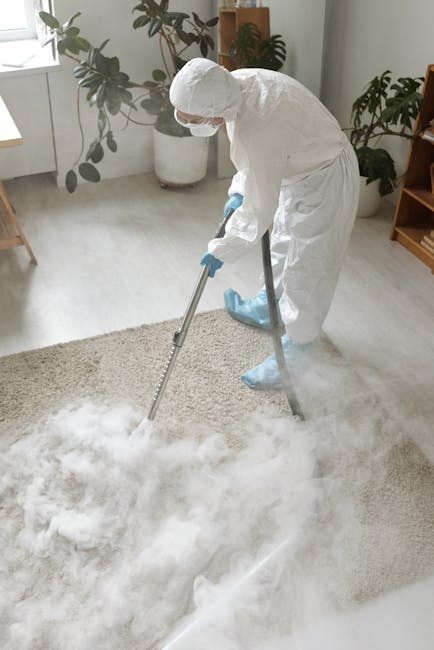
After that, cleaning method selection matters. Many homes benefit from hot water extraction, often called steam cleaning, though it does not mean literal steam blasting the room. It uses heated water and controlled extraction to remove dirt from deep in the pile. In some cases, lower-moisture methods are safer, particularly where drying space is limited or the carpet construction is more sensitive. If you want that method explored in more detail, see the steam carpet cleaning option.
Finally, there is drying and post-clean care. Victorian terraces can have cooler front rooms, awkward air movement on the stairs, and less direct sunlight in some areas. That means airflow and drying time must be managed carefully. Sometimes the difference between a good result and a frustrating one is not the washing at all, but the drying. Truth be told, that is where a lot of DIY jobs go a bit sideways.
Key Benefits and Practical Advantages
A well-planned carpet clean does more than make the room look better. It changes how the whole home feels.
- Freshens high-traffic spaces: hallways, landings, and lounges in terrace homes usually carry the most daily wear.
- Helps reduce trapped dust and allergens: especially useful in homes with pets, children, or frequent visitors.
- Improves the look of period interiors: a clean carpet lets original features stand out instead of competing with dull, flattened fibres.
- Supports carpet lifespan: less grit and residue means less abrasion over time.
- Can improve odour control: useful in homes where cooking smells, pet scents, or damp footwear are part of normal life.
- Makes rooms feel lighter and more cared for: a small thing, perhaps, but it affects the whole mood of the house.
There is also a practical side many people underestimate. Clean carpets help when you are decorating, preparing a property for sale, or simply trying to keep on top of maintenance without overcomplicating life. If your home also has upholstered seating that is collecting dust in a similar way, the upholstery cleaning service can complement the carpet work nicely.
Expert summary: In Victorian terraces, the best carpet cleaning approach is rarely the most aggressive one. It is the method that suits the fibres, respects the drying limits of the property, and deals with the hall and stair traffic where grime collects first.
Who This Is For and When It Makes Sense
This guide is for anyone living in a Victorian terrace in NW7 who wants carpets cleaned properly without creating new problems in the process. That includes owner-occupiers, landlords, tenants near the end of a tenancy, and families who simply want the home to feel cleaner after a busy season.
It makes sense to act when:
- the carpet looks flat, grey, or dull despite regular vacuuming
- there is a recurring smell after rain, spills, or pet accidents
- stair carpets are visibly darker at the tread line
- a DIY spot clean has left rings or patchiness
- you are preparing a house for sale or new occupants
- allergy symptoms seem worse indoors, especially in winter
It also makes sense if you have a mixed flooring layout. Many NW7 terraces combine carpets with rugs, stair runners, and fabric furnishings. That creates a layered cleaning picture. A rug in the front room may need separate attention from the fitted carpet in the hallway. If that sounds familiar, the dedicated rug cleaning service and the sofa cleaning service can be useful additions rather than afterthoughts.
One more point: if there has been a spill involving urine, food waste, or anything that has soaked through into the underlay, you want to treat it as a moisture and odour issue, not just a visible stain. That is exactly where a specialist pet stain and odour removal approach becomes more sensible than surface cleaning alone.
Step-by-Step Guidance
Here is a practical way to approach carpet cleaning in a Victorian terrace without overthinking it. Simple, but not careless.
- Inspect every room first. Look for loose fibres, fading, old repairs, water marks, and any areas where the carpet may already be thinning. On stairs, check nosings and edge wear.
- Vacuum slowly and thoroughly. In a terrace home, the hallway and staircase usually hold the most grit. Go over these areas more than once, ideally in different directions.
- Test stains and fibre sensitivity. Before applying any solution, check a hidden corner. That avoids unpleasant surprises like colour bleed or texture changes.
- Pre-treat specific marks. Apply suitable stain treatment to isolated spots before the main clean. Do not scrub hard; that tends to spread the mark or rough up the pile.
- Choose the right method. Use a low-moisture or extraction method depending on fibre type, carpet age, and drying conditions.
- Control moisture carefully. Victorian terraces can hold damp in colder rooms, so avoid soaking the carpet. The goal is clean, not flooded. Obvious, maybe, but people still over-wet them all the time.
- Work room by room. A terrace home usually benefits from a staged clean: hallway, stairs, landing, then front and back rooms. That keeps walkways manageable.
- Improve airflow immediately after cleaning. Open windows where safe, use fans if available, and avoid heavy foot traffic until the carpet is properly dry.
- Check the edges and seams once dry. A final inspection catches any remaining marks, wicking stains, or areas needing touch-up.
If a stain has already set in, the stain removal page can help frame the decision between spot treatment and full-room cleaning.
Expert Tips for Better Results
Here is where a bit of experience saves a lot of annoyance.
- Start with the dirtiest routes first. In a Victorian terrace, that is usually the front door, hallway, stair run, and landing. You will notice the biggest visual difference there.
- Do not chase every stain with the same product. Coffee, mud, grease, and pet accidents behave differently. A one-size-fits-all cleaner is often the lazy option dressed up as convenience.
- Use less water than you think. Seriously. Too much moisture can extend drying times, encourage re-soiling, or leave odour behind.
- Address the underlay risk. If liquid has travelled through the pile, the visible surface may look fine while the problem sits lower down.
- Protect paintwork and woodwork. Victorian skirting boards, doorframes, and stair bannisters can show splash marks quickly.
- Plan for drying on a British day. On a grey afternoon with no sun and the heating only half on, drying can take longer than expected. It happens.
- Keep windows balanced. A little airflow helps. A freezing draught across a half-dry carpet, not so much.
- Ask what is included before booking. The difference between basic cleaning and a more complete service can be in pre-treatment, deodorising, and post-inspection.
If you want to better understand what a professional clean may include, the main carpet cleaning page is a useful reference point alongside the pricing information on pricing and quotes.
Common Mistakes to Avoid
A lot of carpet damage does not come from heavy wear. It comes from well-meant mistakes.
- Scrubbing stains aggressively. This can distort the pile and drive the stain deeper.
- Using too much detergent. Residue attracts dirt, so the carpet looks dirty again too quickly.
- Cleaning only the visible patch. That often leaves a halo or "clean spot" effect around the treated area.
- Ignoring drying time. Walking on a damp carpet too soon transfers soil and compresses the fibres.
- Skipping vacuuming before wet cleaning. Loose grit turns into mud once moisture is added.
- Using harsh chemicals on old fibres. Some Victorian-era homes have replacement carpets that are still delicate. Age matters, but fibre type matters more.
- Forgetting stairs and edges. The centre of the room may look better while the busiest areas remain tired.
One common pattern in terrace homes is the "front room trap": people deep clean the lounge, then wonder why the hallway still makes the house feel grubby. Fair enough, but the hallway is where most of the story is told.
Tools, Resources and Recommendations
You do not need a mountain of equipment to maintain carpets well. What you do need is the right mix of basics and restraint.
- Good vacuum cleaner: ideally with adjustable height and a brush setting suitable for your carpet type.
- Microfibre cloths: better for blotting spills than paper towel alone.
- Appropriate carpet stain treatment: choose one that suits the stain type and fibre, not just the first bottle under the sink.
- Fans or portable air movers: helpful where drying space is limited.
- Protective gloves: especially useful if you are dealing with unknown spills or stronger cleaning solutions.
- White towels for blotting: coloured cloths can transfer dye, and that is a hassle nobody needs.
For people who want a more specialist approach, professional services can cover more than the carpet itself. The home often feels more complete when the soft furnishings are handled together, which is where sofa cleaning, curtain cleaning, and mattress cleaning can fit into a broader home-freshening plan.
And if you are thinking about the quality of the provider rather than just the task, it is sensible to review company information such as about us, insurance and safety, and the health and safety policy. Those pages tell you a lot about how a business thinks, which is useful when inviting someone into a home with original staircases, narrow hallways, and a few fragile corners.
Law, Compliance, Standards, or Best Practice
Carpet cleaning in a home setting is not usually a heavily regulated activity in the way some trades are, but good practice still matters. In the UK, common sense and careful working standards go a long way. That includes using products safely, avoiding slip hazards, ventilating rooms properly, and handling electrical equipment with care around moisture.
For homeowners and tenants, the main practical issues are usually safety, property condition, and any responsibilities set out in rental agreements or building rules. If you are vacating a property, keep records of the condition before and after cleaning. If you manage a family home, think about child safety, pet safety, and whether the room will stay inaccessible long enough to dry properly.
Professional cleaners should have appropriate insurance, clear terms, and transparent security and payment information. That is why pages such as payment and security, terms and conditions, and privacy policy are worth checking before booking. It is not glamorous reading, sure, but it tells you how the business handles your details, your payment, and your expectations.
Environmental practice is worth a glance too. If sustainability matters to you, look for sensible water use, responsible chemical handling, and waste-aware working. The recycling and sustainability page gives a useful sense of how an operator thinks about that side of the job.
Options, Methods, or Comparison Table
Different carpet cleaning methods suit different Victorian terrace situations. A quick comparison helps narrow things down.
| Method | Best for | Strengths | Watch-outs |
|---|---|---|---|
| Hot water extraction | Most fitted carpets with general soiling | Deep cleaning, strong soil removal, good refresh | Needs careful drying and may not suit very delicate fibres |
| Low-moisture cleaning | Rooms where fast drying matters | Shorter drying time, less moisture risk | May be less effective on deeply embedded dirt |
| Spot treatment only | Small isolated stains | Quick and targeted | Can leave visible rings if used without surrounding blend-out |
| Full professional deep clean | Hallways, stairs, family homes, move-outs | Most thorough and balanced result | Usually costs more and needs access time |
In a Victorian terrace, the "best" option is not always the strongest one. If the carpet is old but sound, a controlled clean may be better than an aggressive one. If the home has a staircase with awkward turns, a method that limits soak-through may be more practical. You know your house better than any generic guide ever could.
Case Study or Real-World Example
A typical NW7 terrace cleaning scenario might look like this: the hallway carpet is darkened from years of shoes, the stair runner has a few flattened sections, and the front room has a coffee stain that was "mostly dealt with" six months ago. The owner has tried vacuuming more often, but the home still feels dusty and slightly stale.
The sensible approach would be:
- pre-vacuum the hallway and stairs carefully
- test the fabric in an unobtrusive corner
- pre-treat the coffee mark and any traffic lanes
- clean the stairs in manageable sections
- extract moisture carefully so the carpet does not stay damp overnight
- improve ventilation and avoid walking on the area until dry
What tends to surprise people is how much the house changes once those main routes are cleaned. The hallway no longer feels like the "grey zone" of the property. The stairs stop looking tired. And the front room? It usually feels bigger, even though nothing has physically changed. Funny how that works.
In homes where fabric furniture and carpets all carry the same lived-in look, a combined approach can be more efficient. That is where the upholstery cleaning option and, where needed, dedicated pet stain odour removal can make a noticeable difference without overcomplicating the process.
Practical Checklist
Before, during, and after cleaning, use this quick checklist to keep the job on track.
- Vacuum all carpeted areas thoroughly
- Check fibre type and carpet age where possible
- Test any product in a hidden area first
- Pre-treat stains before the main clean
- Use the least moisture needed for the job
- Keep stair edges and landings in the plan, not just the big rooms
- Open windows or use airflow to support drying
- Protect skirting boards, woodwork, and adjacent floors
- Avoid heavy foot traffic until fully dry
- Inspect for rings, wicking, or leftover marks after drying
- Arrange follow-up stain treatment if needed
- Book a deeper professional clean when wear becomes obvious or recurring
Quick takeaway: the best results in Victorian terrace homes come from choosing the right method, using less moisture than you think, and paying real attention to stairs, hallways, and drying. That trio does a lot of heavy lifting.
And if you are comparing providers or planning your next step, you can also check the company's contact us page for direct enquiries and the complaints procedure for a sense of how feedback is handled. It is always reassuring when a business is open about the boring-but-important stuff.
Get a free quote today and see how much you can save.
Conclusion
Cleaning carpets in an NW7 Victorian terrace is really about understanding the house as much as the carpet. The age of the property, the layout of the rooms, the condition of the fibre, and the way moisture behaves in older spaces all affect the final result. Get those things right, and the home feels cleaner, brighter, and easier to live in. Get them wrong, and you may be left with damp patches, stubborn odours, or the same stain wearing a smug little halo for weeks.
Whether you are handling routine maintenance or planning a deeper refresh, the goal is the same: protect the character of the home while making it genuinely comfortable to live in. That is the sweet spot. And once you've had a room properly cleaned, it is hard to go back to pretending vacuuming alone will do the trick.
For many households, the next sensible move is simply to compare options, check the practical details, and choose a method that suits the home rather than forcing the home to suit the method. Simple enough, really.
Frequently Asked Questions
How often should carpet cleaning be done in a Victorian terrace home?
It depends on traffic, pets, children, and how much dirt gets tracked in from outside. For busy hallways and stairs, a deeper clean is often needed more often than in a low-use spare room. In a lot of terrace homes, the busiest areas age first, so those should guide your timing.
Is steam carpet cleaning safe for older carpets?
Sometimes yes, sometimes no. It depends on the fibre type, the carpet backing, and the overall condition of the floor covering. The term "steam cleaning" is often used loosely, so the important point is whether the method uses too much moisture for the carpet and the property.
Why do carpets in Victorian terraces dry more slowly?
Older homes can have cooler rooms, tighter airflow, and hidden moisture retention around edges or underlay. Narrow stairwells and shaded front rooms can also make drying slower than expected. A bit of airflow makes a big difference.
What is the best way to clean stairs in a period property?
Work slowly, section by section, and focus on controlled moisture use. Stair nosings and corners need extra attention because dirt gathers there. If you rush stairs, you will almost always miss the worst wear.
Can I clean a carpet myself, or should I hire a professional?
You can manage routine vacuuming and spot treatment yourself. If the carpet is heavily soiled, stained, odorous, or delicate, a professional clean is usually the safer and more effective option. The bigger the problem, the more worth it a proper assessment becomes.
How do I stop stains from coming back after cleaning?
Reappearing stains often happen when liquid has soaked deeper into the pile or underlay and then rises again as the carpet dries. The fix is careful extraction, not just treating the surface. Blotting, drying, and avoiding over-wetting all help reduce the risk.
Are carpet cleaning products safe for children and pets?
They can be, if used correctly and allowed to dry fully before contact. But not every product is suitable for every home, especially if there are allergy concerns or pets that lie directly on the floor. Always ventilate the room and keep children and animals away until the carpet is dry.
What should I look for when comparing carpet cleaning services?
Look for clear explanations of the cleaning method, insurance, safety practices, pricing clarity, and what is included in the visit. Pages like about us, insurance and safety, and pricing and quotes are useful because they tell you how the provider works before anyone sets foot in the house.
Will carpet cleaning remove pet smells completely?
Sometimes it will, especially if the smell is mostly surface-level. But if urine or moisture has reached the underlay, you may need a more targeted odour treatment. That is where pet stain odour removal is more appropriate than a general clean alone.
How long should I wait before walking on freshly cleaned carpet?
Wait until it is fully dry, not just "feels nearly dry". That may be a few hours in a well-ventilated room or longer if the house is cool and still. If you walk on it too soon, you can flatten the pile and transfer dirt back into the fibres.
What if my carpet has become flat and tired rather than just dirty?
Flattening is usually a mix of wear, fibre compression, and embedded soil. Cleaning can improve the look a lot, but it will not rebuild damaged fibres. If the carpet has worn thin in traffic lanes, a professional clean may still help the appearance, but expectations should stay realistic.
Can I clean carpets in winter in NW7?
Yes, but drying needs more attention. Open windows sensibly, use internal airflow, and keep the heating at a steady level if possible. Winter cleaning is fine; you just need to respect the drying stage a bit more. That part is easy to underestimate.
Do landlords expect professional carpet cleaning before moving out?
Sometimes, but it depends on the tenancy agreement and the carpet's condition at move-in and move-out. The safest approach is to check the agreement and leave the property in a clean, fair condition. Keeping a record of what you did is always wise.
What is the most common mistake in Victorian terrace carpet care?
Over-wetting, without a doubt. It can lead to slow drying, lingering smells, and marks that return after the carpet appears clean. In older homes, controlled moisture is the real skill.
Sometimes the best home-care jobs are the ones that quietly make everything feel easier. A cleaner carpet under your feet, a fresher hallway, and a room that smells like home again, not yesterday. That's the good stuff.